🧑🦱 1. Who Wears What: Priests vs. Devotees
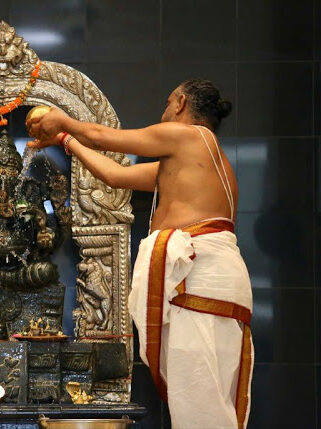
Priests (Pujaris): Generally wear a plain white dhoti, often paired with an upper cloth called angavastram. Their bodies may be adorned with tilak, rudraksha malas, and sacred ash (vibhuti) or sandalwood paste.
Devotees: Dress varies by region and occasion but often includes sarees, salwar suits, or dhoti-kurta sets. Simplicity and cleanliness are considered crucial.
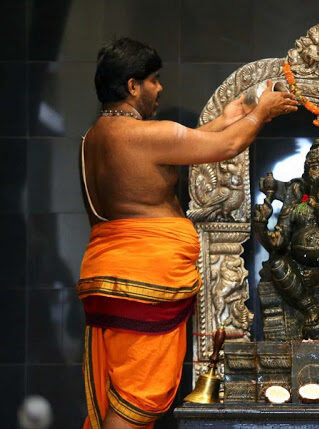
📍 Note: In temples, men are often required to remove shirts, especially in South India, as a sign of humility.
🧘♂️ 2. The Spiritual Significance Behind the Garments
Every element in sacred Hindu attire holds symbolic meaning:
White: Purity and peace
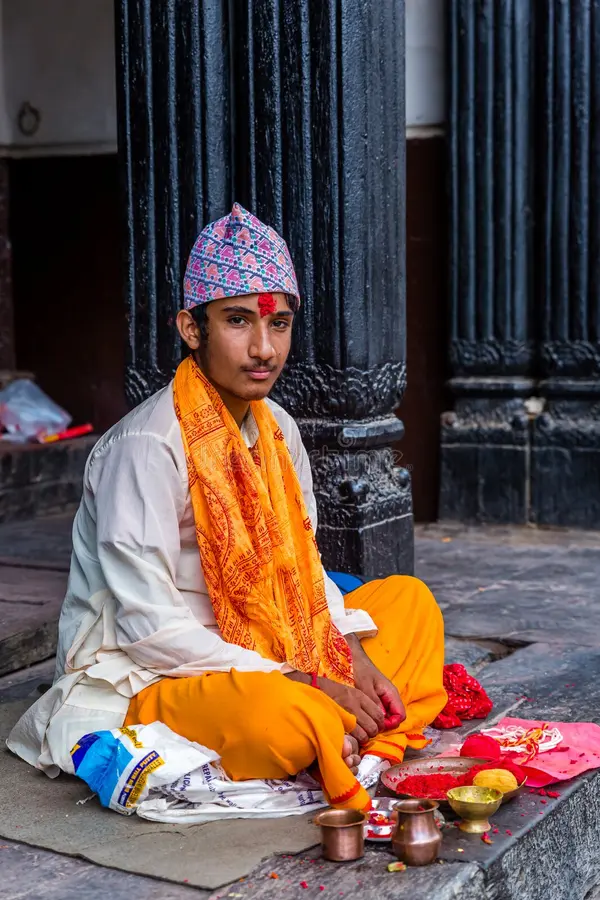
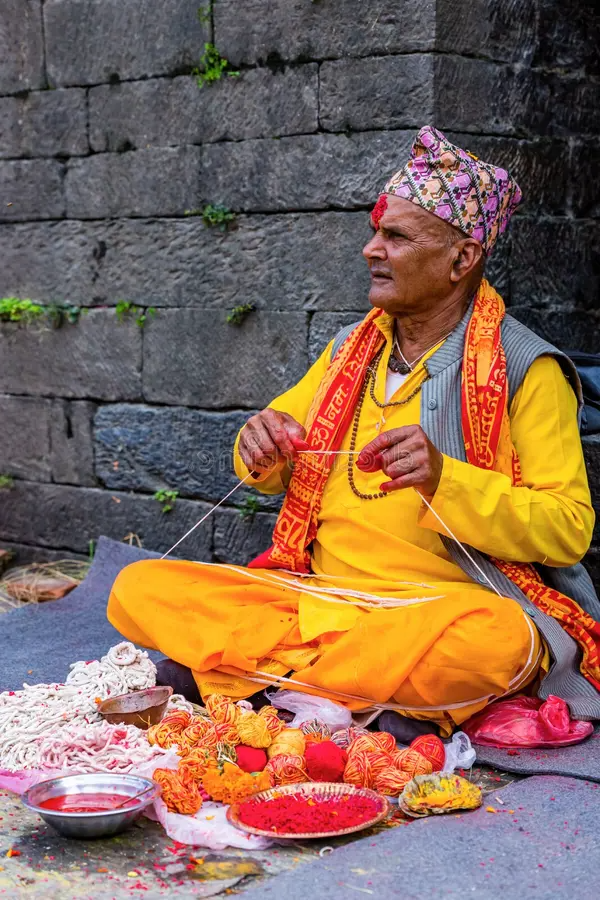
Saffron/Orange: Renunciation and devotion
Red: Shakti (power) and auspiciousness
Tilak/Bindi: Represents the third eye and inner wisdom
🛕 3. Temple Dress Codes Across Regions
South India: Men wear veshti (similar to a dhoti), and women wear traditional silk sarees. Some temples have strict entry guidelines.
North India: Kurta-pajama or dhoti for men, sarees or suits for women.
Nepal: Priests commonly wear white cotton dhotis, and during major rituals, yellow or red cloth may be worn.
📌 Respecting temple dress codes is not just cultural—it is spiritual etiquette.